
Hong Kong is starting to feel chilly and it's finally time to put away the summer clothes and bring out the cozy sweaters, jackets, and winter essentials (even just for a few months!). But before you start pulling everything out of storage, take a moment to give the whole family's wardrobes a seasonal refresh.
For many families, changing over wardrobes can feel like a bigger job than expected. Children's clothes that no longer fit, forgotten winter accessories, overflowing drawers, and pieces that haven't been worn in years can quickly turn a simple seasonal switch into a major decluttering project.
The good news? With a little planning and a practical system, you can get everyone ready for the colder months without the stress. Whether you're organizing one wardrobe or tackling the entire family's clothing, these seven easy steps will help you create a more functional, clutter-free space. And if you don’t want to do it alone, reach out to us at the Happy Space and we can tailor-make our Done-for-you home organization plan to match your family’s needs!

1. Start with a full wardrobe edit
Before bringing out your winter clothing, start by reviewing what you already own. There's little point in making space for another season of clothing if your wardrobes are already filled with items nobody wears.
A seasonal wardrobe changeover is the perfect opportunity to declutter and make sure everything you keep is useful, fits properly, and suits your current lifestyle.
Here's how to get started:
Empty one section at a time. Start with one wardrobe, drawer, or family member rather than emptying every closet at once
Remove anything that no longer fits. Pay particular attention to children's clothing, as they can outgrow several sizes between seasons
Identify items you haven't worn. If something hasn't been used for several winters, consider whether it's worth keeping
Check the condition of each piece. Look for stains, holes, missing buttons, broken zippers, and stretched fabrics
Remove duplicates. Do you really need several nearly identical sweaters or more scarves than you can realistically use?
Create four simple categories: keep, donate, sell, and discard. For sentimental clothing or expensive pieces you may want to pass down, create a separate category to review later.
Be honest about your family's actual needs. The goal isn't to have a wardrobe full of options; it's to have clothing that everyone enjoys wearing and can easily find.
2. Bring out winter clothing and check what you have
Once you've edited your current wardrobes, it's time to bring out the winter clothing that has been stored away.
Before putting everything back, take the opportunity to review each item. Clothing that has been packed away for months may need a little attention before it's ready to wear.
Work through your winter clothing systematically:
Check every item for fit. Try on coats, sweaters, trousers, and other seasonal pieces to make sure they still fit comfortably
Inspect for damage. Look for moth holes, loose seams, missing buttons, and damaged zippers
Freshen everything up. Wash or dry-clean clothing according to its care instructions before returning it to the wardrobe
Check winter accessories. Make sure gloves, hats, scarves, and thermal layers are clean and in good condition
Identify missing essentials. Make a list of what your family genuinely needs before heading out shopping
For children, it's especially important to check sizes before the colder weather arrives. A jacket that fitted perfectly last winter may now be too short in the sleeves, while trousers may suddenly be several inches too short!
Don’t forget to create a shopping list as you go. This prevents unnecessary purchases and helps you avoid buying another sweater when what your child actually needs is a warm winter coat.

3. Organize clothing by family member and category
When multiple family members share wardrobes or storage areas, clothing can easily become mixed up. Creating clear sections for each person makes it much easier to find what you need and maintain order throughout the season.
Start by giving each family member a designated wardrobe area, drawer, or set of shelves.
Within each person's space, organize clothing by category:
Tops: Separate sweaters, long-sleeved shirts, and everyday tops.
Bottoms: Group jeans, trousers, leggings, and skirts.
Outerwear: Keep coats, jackets, and heavier layers together.
Activewear: Create a separate section for sports clothing and outdoor activities.
Accessories: Store scarves, hats, gloves, and other winter essentials together.
Sleepwear: Keep pajamas and comfortable loungewear in an easily accessible drawer.
If you have limited wardrobe space, consider using shelf dividers, drawer organizers, and matching hangers to make better use of what you have.
For younger children, labels or simple picture labels can help them recognize where their clothing belongs. This also encourages independence and makes getting dressed in the morning a little easier. Our Kids Organizing plan is specifically designed for children, where we transform the space designed to empower children to become independent self-learners.
Avoid mixing everyday clothing with special-occasion outfits. Keeping frequently worn pieces together makes it easier for everyone to get ready without disrupting the entire wardrobe.
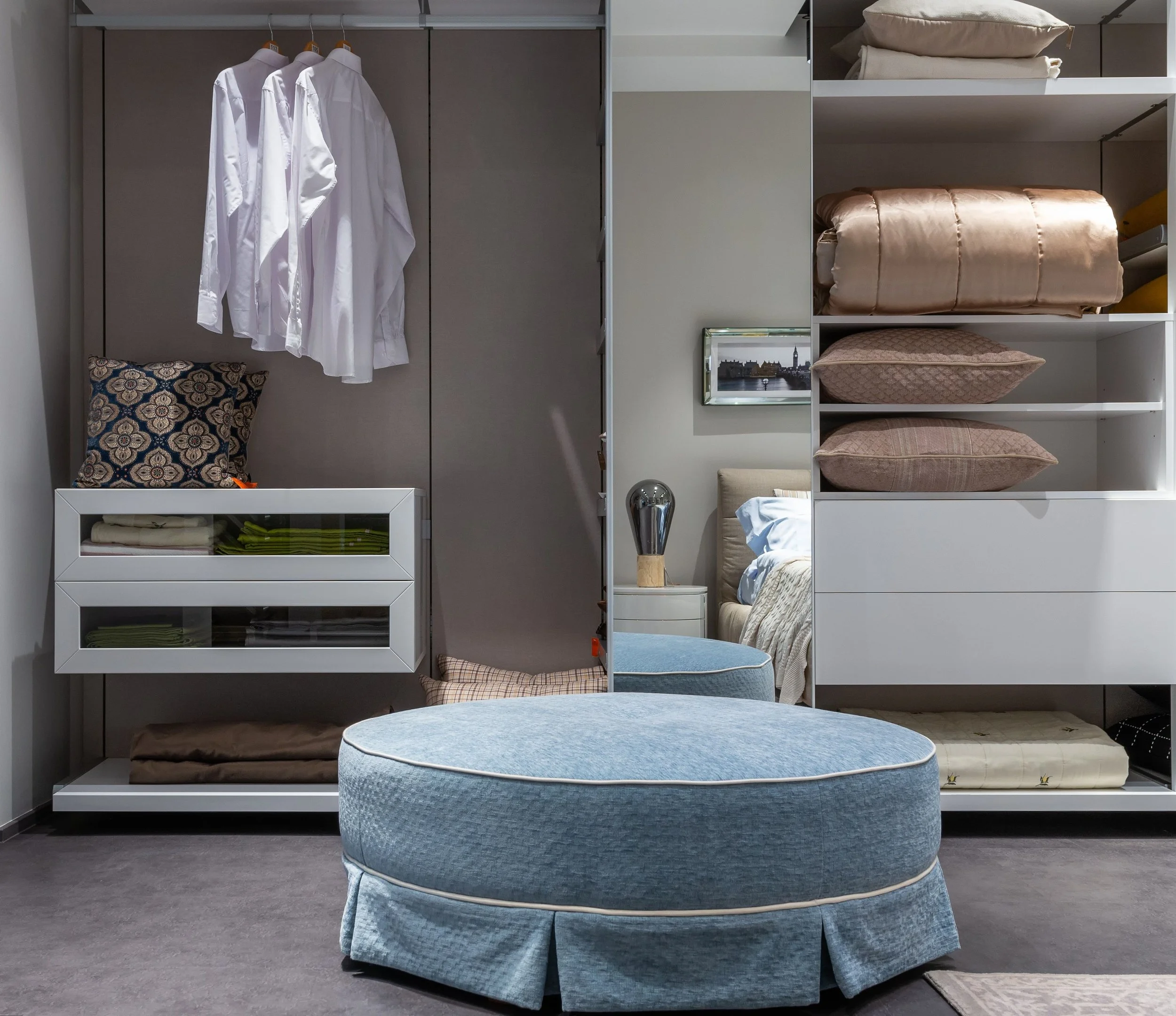
4. Maximize wardrobe space with smart storage solutions
Winter clothing tends to be bulkier than summer clothing. Thick sweaters, coats, boots, and heavier bedding can take up considerably more room, so it's important to make the most of your available storage.
Rather than immediately buying a bigger wardrobe, look at how efficiently you're using the space you already have.
Try these practical storage solutions:
Use matching slim hangers. They create a consistent appearance and can help free up valuable hanging space.
Add shelf dividers. These keep folded sweaters and heavier clothing from toppling over.
Use drawer organizers. Separate socks, tights, thermal layers, and smaller accessories.
Make use of vertical space. Add shelves or stackable storage containers where practical.
Use under-bed storage. Store seasonal accessories, spare clothing, or less frequently used items in shallow containers.
Install suitable hooks. Use the inside of wardrobe doors or available wall space for scarves, bags, and other lightweight accessories.
For bulky sweaters, folding is often preferable to hanging, as heavier knitwear can stretch out of shape over time. Keep coats on suitable hangers with enough space to maintain their shape.
We share our favorite organizing products in this guide!
Don't overfill your wardrobes. Leaving a little breathing room makes it easier to put clothing away, see what you own, and keep everything looking tidy.

5. Store summer clothing properly
Once your winter wardrobe is ready, it's time to pack away the summer clothing that won't be needed for the next few months.
Storing seasonal clothing properly protects it from dust, moisture, and damage while freeing up valuable space for the items your family needs right now.
Follow these simple steps:
Wash everything before storing. Body oils, food stains, and perspiration can become harder to remove over time and may attract insects.
Make sure clothing is completely dry. This is particularly important in humid environments, where moisture can lead to unpleasant odors or mildew.
Choose suitable storage containers. Fabric storage bags, clear plastic containers, or breathable garment bags can work well depending on the clothing.
Label everything clearly. Include the family member, clothing category, and season.
Store similar items together. Keep summer dresses, shorts, swimwear, and lightweight clothing in separate categories.
Choose an appropriate storage location. Use a clean, dry area away from direct sunlight and potential moisture.
If you are storing clothing in a humid climate, pay particular attention to ventilation and moisture control. Make sure containers are completely dry before packing them away, and check stored clothing periodically.
Pro Tip: Avoid vacuum-sealing delicate fabrics or natural fibers unless the manufacturer's care guidance confirms it is suitable. Some materials benefit from breathable storage rather than prolonged compression.
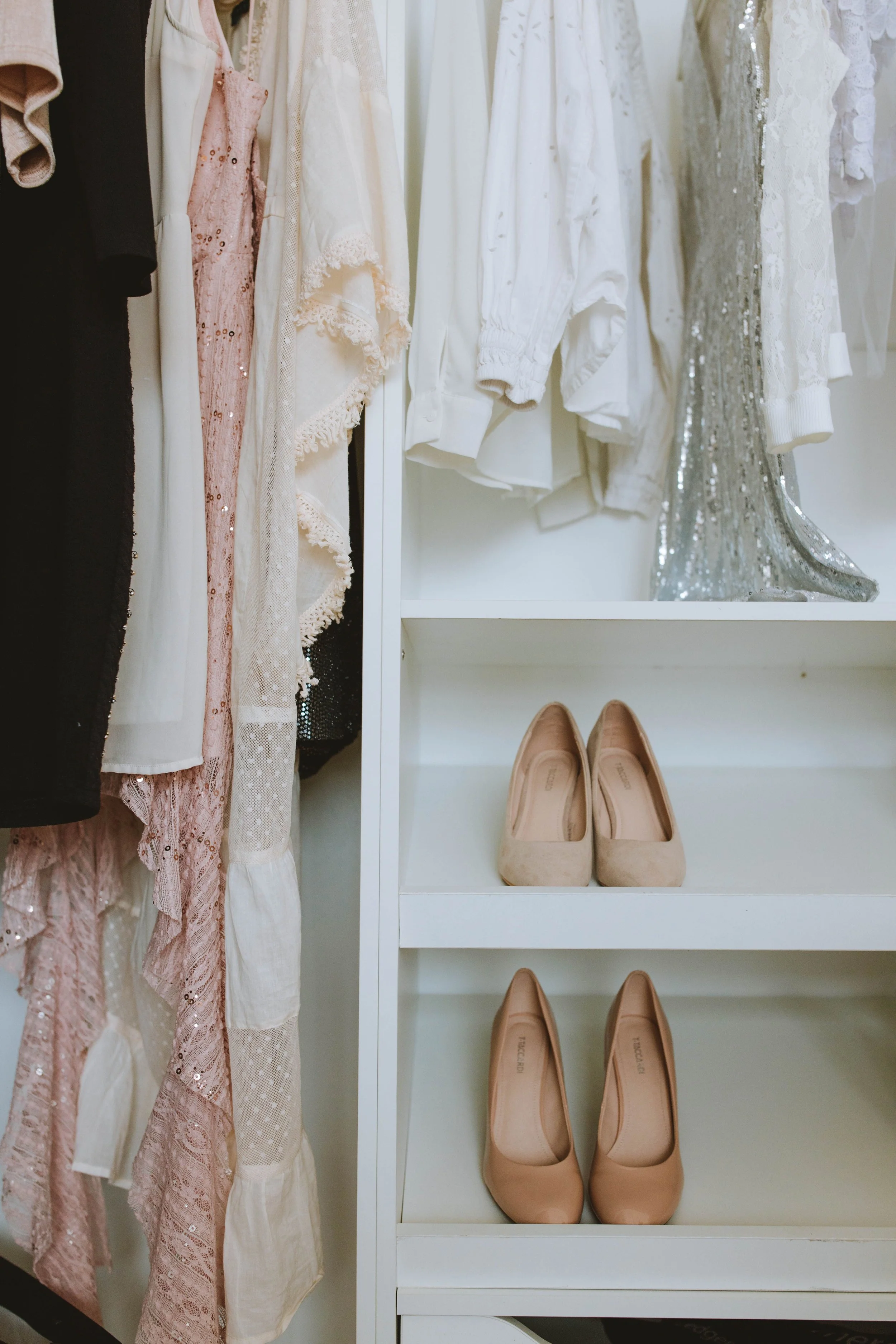
6. Organize shoes, bags and winter accessories
A winter wardrobe isn't complete without the right accessories. Boots, scarves, gloves, hats, and heavier bags all need a designated home, otherwise they can quickly end up scattered throughout the house.
Use the seasonal wardrobe changeover as an opportunity to organize these smaller categories too.
Here's how to keep everything under control:
Edit your shoe collection. Remove shoes that no longer fit, are uncomfortable, or haven't been worn in years.
Clean footwear before storing. Wipe down shoes and boots, and allow them to dry completely before putting them away.
Use shoe organizers. Shelves, clear boxes, and suitable boot stands can help maximize storage space.
Group accessories together. Keep gloves, scarves, and hats in separate labeled compartments or baskets.
Organize handbags. Store bags upright where possible, using inserts or shelf dividers to help maintain their shape.
Keep everyday essentials accessible. Place frequently used accessories near the entrance or in a convenient wardrobe section.
For children, consider creating a small winter-accessories basket or drawer that they can access independently. Keeping everything together makes it easier to find a hat or scarf when heading out the door.
Pro Tip: If you have limited space, store accessories in a single designated container per family member. This makes seasonal swaps and everyday routines much simpler.
7. Create a simple system to maintain your winter wardrobe
Once everything is organized, the final step is making sure your hard work lasts throughout the season.
Wardrobes naturally become messy as clothing is worn, washed, folded, and returned. The trick is to establish a few simple habits that prevent clutter from building up again.
Introduce these easy routines:
Do a quick weekly reset. Spend a few minutes returning misplaced clothing and straightening shelves and drawers.
Put laundry away promptly. Avoid letting clean clothes accumulate in baskets or on bedroom chairs.
Use a one-in, one-out approach. When a new sweater or coat comes into the wardrobe, consider whether an older item can be donated or sold.
Keep a donation bag nearby. If someone comes across an item that no longer fits or is no longer needed, it can go straight into the bag.
Review children's clothing regularly. Growth spurts can happen quickly, so check sizes throughout the season.
Prepare outfits ahead of time. Keep everyday clothing accessible and encourage children to choose their outfits the night before.
Involving the whole family is important. Children can learn to fold simple items, put their shoes away, and return clothing to the correct drawer. Even small responsibilities help build good habits.
Pro Tip: Set a reminder for a mid-season wardrobe check. You may discover that the children have outgrown a few essentials or that certain items aren't being worn as often as expected.
To make your seasonal wardrobe changeover even easier, we've put together a handy checklist to guide you through each step and help keep the whole family's wardrobes organized.

Seasonal Wardrobe Changeover Checklist
A new season is the perfect opportunity to refresh your family's wardrobes, declutter unwanted clothing, and make room for the pieces you'll actually wear.
1. Declutter & Edit
Remove clothing that no longer fits.
Set aside items that are worn, damaged, or stained.
Identify pieces nobody has worn in the past year.
Separate items to donate, sell, or discard.
Check children's clothing for size changes.
2. Bring Out the New Season
Take seasonal clothing out of storage.
Check that everything still fits.
Inspect for stains, damage, or missing buttons.
Wash or dry-clean items as needed.
Make a list of missing wardrobe essentials.
3. Organize Each Family Member's Wardrobe
Give each family member a designated space.
Group clothing by category.
Separate everyday clothing from special-occasion pieces.
Organize drawers, shelves, and hanging space.
Keep frequently worn items easy to access.
4. Refresh Storage Solutions
Use matching slim hangers where appropriate.
Add drawer dividers and shelf organizers.
Fold bulky knitwear rather than hanging it.
Make use of under-bed and vertical storage.
Leave enough space for clothing to be easily accessed.
5. Pack Away the Previous Season
Wash all clothing before storing.
Ensure everything is completely dry.
Use suitable storage bags or containers.
Group clothing by family member and category.
Label containers clearly.
Store in a clean, dry area.
6. Organize Shoes & Accessories
Declutter shoes and boots.
Clean footwear before storing.
Organize scarves, hats, and gloves.
Sort handbags, belts, and other accessories.
Keep everyday essentials easily accessible.
7. Maintain the System
Return clothing to its designated place.
Put clean laundry away promptly.
Keep a donation bag accessible.
Check children's clothing sizes regularly.
Schedule a mid-season wardrobe review.
A little seasonal reset goes a long way!
An organized wardrobe makes getting dressed easier, saves time, and helps the whole family enjoy the new season.
Remember: Keep what you love, store what you need, and let go of what no longer serves you.
A fresh wardrobe for a fresh season
Living in a compact Hong Kong home comes with challenges, but it also offers an opportunity to be more intentional about the way you use your space. When your belongings are carefully edited, storage is thoughtfully planned, and everyday items have a clear home, even a small apartment can feel comfortable, functional, and welcoming.
You don't need to tackle everything at once. Start with one drawer, one wardrobe, or one cluttered corner. Small improvements can make a meaningful difference, especially when they are supported by systems that suit your household and daily routines.
Most importantly, remember that an organized home isn't about fitting as much as possible into every available space. It's about making room for the people, activities, and experiences that matter most.
At The Happy Space Co., we help families in Hong Kong create calm, functional, and beautifully organized homes. From seasonal wardrobe edits and children's clothing organization to complete home decluttering and storage solutions, we make it easier to create spaces that work for your everyday life.
Whether you need help preparing your family's wardrobes for winter, maximizing limited closet space, or creating practical organizing systems that last throughout the year, we're here to help at any or all stages of the process.
Because a well-organized wardrobe doesn't just make getting dressed easier — it makes everyday life feel a little more effortless.
A useful companion for this article would be a short seasonal wardrobe checklist that readers can save and use when switching between summer and winter clothing.
Ready to transform your home?
We invite you to experience the joy of a tidy and organized home. Let's create a living space that sparks your creativity and brings you peace. Contact us today for a free consultation!