
Small space living in Hong Kong: smart storage solutions for compact homes
If you live in Hong Kong, you probably know that making the most of your home can feel like a bit of a puzzle. Between compact apartments, limited storage, and busy family life, finding a place for everything isn't always easy. Add children's toys, seasonal clothing, kitchen essentials, and everyday belongings, and even a beautifully designed home can start to feel cluttered.
But living in a small space doesn't mean you have to sacrifice comfort, functionality, or style. With the right storage solutions and a few thoughtful organizing habits, you can create a home that feels more spacious, calm, and easy to maintain. With our “Done-For-You” organizing service, we will figure out the best plan for your space, no matter what the size!
Whether you're living in a compact apartment in Mid-Levels, a family flat in Kowloon, or a smaller home in the New Territories, these practical small-space living tips will help you maximize every inch of your home.

1. Start by decluttering before adding storage
When storage space is limited, the first instinct is often to buy more baskets, containers, and organizers. However, adding storage without first decluttering can simply create more places to hide things you don't need.
The secret to organizing a small Hong Kong apartment is to make sure the belongings you keep genuinely deserve the space they occupy.
Here's how to get started:
Work one area at a time. Start with a single wardrobe, kitchen cabinet, or bathroom shelf rather than tackling your entire home at once.
Remove duplicates. Do you really need five similar water bottles, three vegetable peelers, or several sets of unused bedsheets?
Let go of unused items. If you haven't used something in years and it no longer serves a purpose, consider donating, selling, or responsibly disposing of it.
Be realistic about your lifestyle. Keep belongings that support the way you actually live, rather than the lifestyle you imagine you might have one day.
Pro Tip: In a small home, every item needs to earn its place. Before purchasing a storage product, ask yourself whether you need the item you're planning to store in the first place. And when you are ready to purchase organizing products, our Guide to Organizing Products has a curated list of all the products we love specifically for Hong Kong homes.
2. Make the most of vertical storage space
One of the biggest mistakes people make when organizing compact homes is focusing only on floor space. When you can't expand outward, look upward!
Vertical storage is one of the most effective space-saving solutions for small apartments in Hong Kong because it uses areas that might otherwise go to waste.
Try these ideas:
Install shelves above desks and workspaces. Use them for books, stationery, decorative objects, or everyday essentials.
Use the full height of your wardrobes. Add upper shelves or clearly labeled containers for seasonal clothing, luggage, and items you don't need regularly.
Take advantage of wall space. Hooks, pegboards, and wall-mounted organizers can hold bags, accessories, keys, and household tools.
Use the space above doors. Where practical and safely installed, an overhead shelf can provide extra room for lightweight items you rarely use.
Consider tall, narrow shelving. These units can provide useful storage without occupying as much floor space as wide cabinets.
When using vertical storage, keep frequently used items within easy reach and reserve higher shelves for lighter, less frequently accessed belongings. Heavy items should be stored at lower levels, and shelves must be properly secured.
Pro Tip: Keep your tallest storage solutions visually simple. Matching containers and a consistent arrangement can help open shelving feel intentional rather than cluttered.
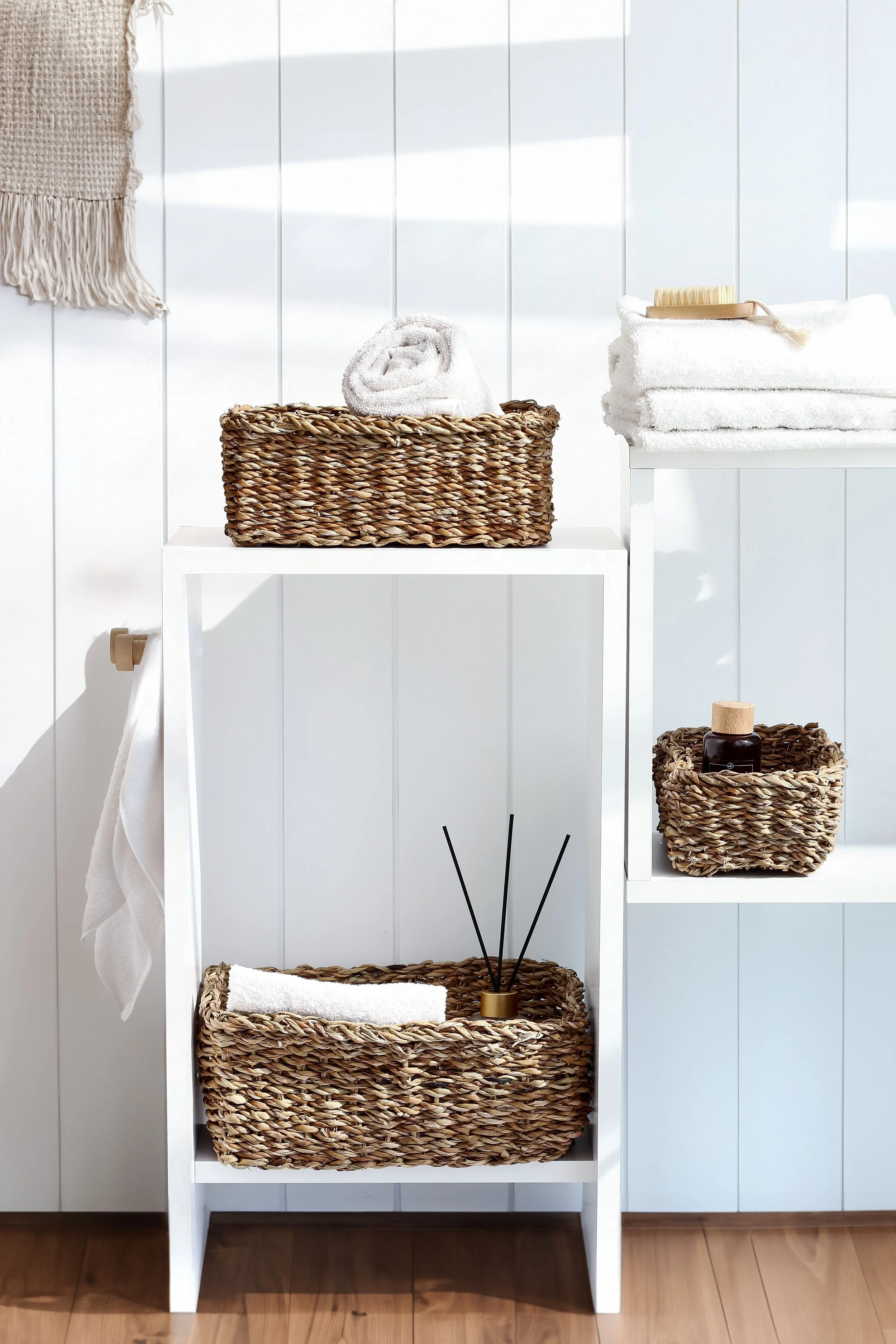
3. Choose multi-functional furniture
In a compact Hong Kong apartment, furniture needs to do more than look good. Pieces that serve multiple purposes can help you create additional storage without filling your home with extra cabinets and drawers.
Before buying a new piece of furniture, consider whether it can solve more than one problem.
Some practical options include:
Storage beds: Use drawers beneath the bed or an appropriate under-bed storage system for spare bedding, seasonal clothing, or other items you don't need every day.
Ottomans with hidden storage: These can provide extra seating while holding blankets, toys, or living room essentials.
Extendable dining tables: A compact table can work for everyday meals and expand when guests visit.
Benches with storage: Place one near the entrance or dining area to create seating and a convenient home for selected belongings.
Nesting tables: These can be separated when needed and stacked or tucked away when space is limited.
Foldable desks: These are useful for creating a temporary home office without permanently dedicating valuable floor space to a desk.
The key is to choose furniture that suits your actual needs. A storage bed isn't helpful if its drawers are difficult to access, and a multifunctional piece isn't a good investment if it makes the room harder to move around in.
Pro Tip: Measure your room carefully before purchasing furniture. Remember to account for doors, drawers, walkways, and the space needed to open cabinets comfortably.
4. Transform your wardrobe into an efficient storage system
Wardrobes can take up a significant amount of space in a Hong Kong home, yet they often contain clothing that isn't worn, accessories that are difficult to find, and items that could be stored more efficiently.
A well-organized wardrobe makes getting dressed easier and helps you avoid buying things you already own.
Here's how to maximize wardrobe space:
Edit your clothing regularly. Remove pieces that no longer fit, suit your lifestyle, or make you feel good.
Group similar items together. Keep workwear, casual clothing, sportswear, and special-occasion outfits in designated sections.
Use slim, matching hangers. These can create a more consistent appearance and may free up hanging space compared with bulky hangers.
Use shelf dividers. Keep folded clothing, handbags, and accessories from becoming messy piles.
Store seasonal items separately. Place clothing you won't need for a while in labeled containers on higher shelves or under the bed.
Use the inside of wardrobe doors where appropriate. Hooks or pocket organizers can hold accessories, belts, or smaller items.
For families, consider allocating a specific section or drawer to each person. This makes it easier to maintain order and helps children learn where their belongings belong.
Pro Tip: Don't fill every shelf and rail to capacity. Leaving a little breathing room makes it easier to see what you own, put things away, and maintain your wardrobe over time.
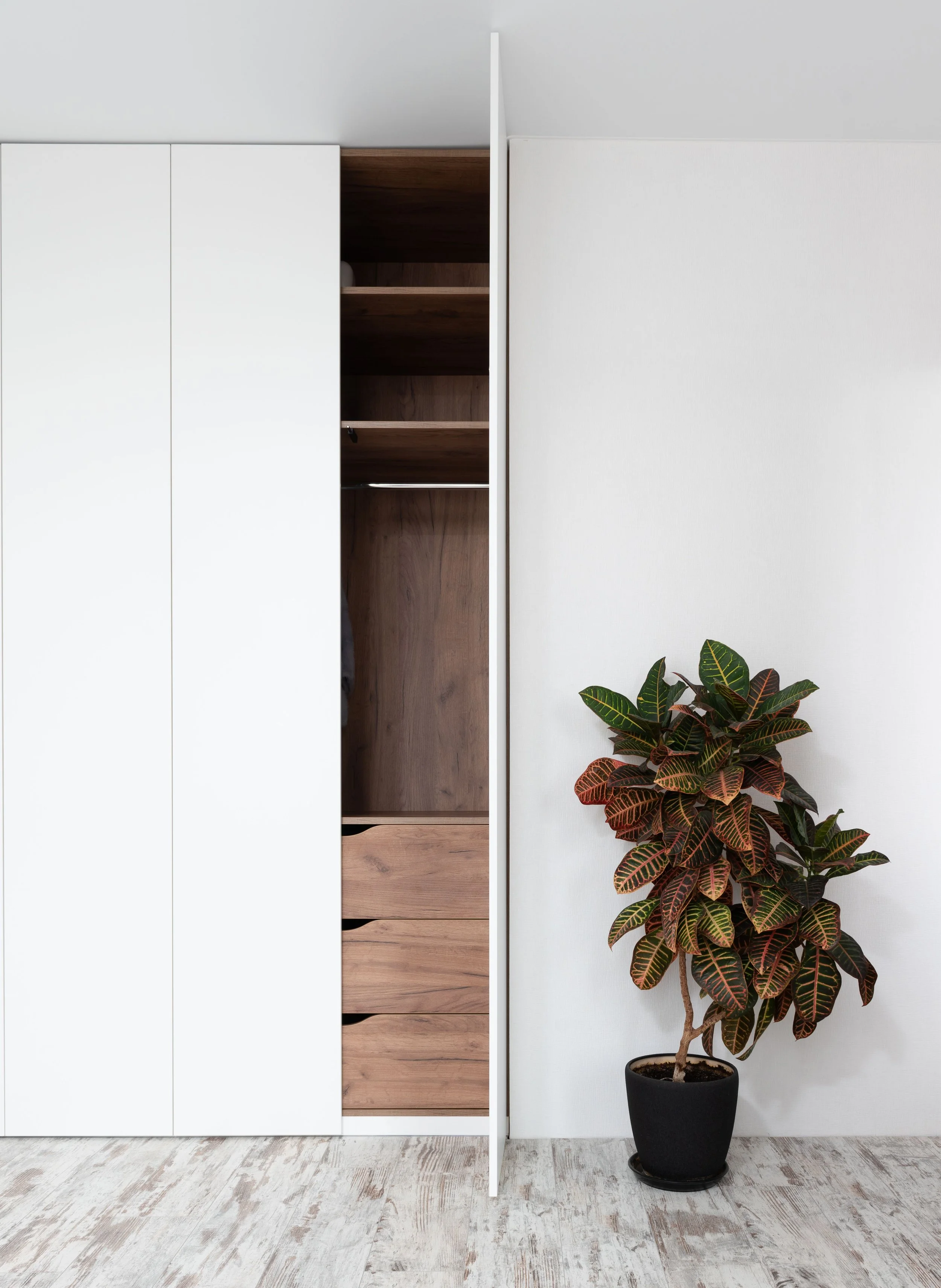
5. Organize your kitchen cabinets and pantry by function
Kitchens in Hong Kong apartments can be particularly challenging. Limited cabinet space, compact countertops, and a growing collection of cookware and food products can quickly make meal preparation feel stressful.
The solution is to organize your kitchen around the way you use it.
Create functional kitchen zones:
Cooking zone: Keep pots, pans, cooking utensils, oils, and commonly used seasonings near the stove.
Food preparation zone: Store chopping boards, knives, mixing bowls, and preparation tools close to your main work surface.
Breakfast zone: Group tea, coffee, mugs, and breakfast essentials together.
Food storage zone: Keep pantry staples, snacks, and packaged foods in clearly defined categories.
Cleaning zone: Store dishwashing supplies and cleaning products together, safely separated from food.
Make the most of cabinet interiors with shelf risers, drawer dividers, and pull-out organizers where they fit. Use vertical dividers for baking trays and chopping boards, and consider stackable containers for dry goods.
For a small pantry, avoid buying large quantities of food simply because an item is on sale. Bulk purchases only save money when you have enough room to store them and can use them before they expire.
Pro Tip: Keep countertops as clear as possible. Store away appliances you rarely use, but leave frequently used items accessible if doing so makes your daily routine easier.
6. Make your entryway work harder
In a small apartment, the entrance often becomes a collection point for shoes, schoolbags, shopping bags, umbrellas, keys, and parcels. Without a designated system, clutter can spread into the living room before you know it.
Even if you don't have a separate foyer, you can create a practical entryway with just a few simple solutions.
Try these space-saving ideas:
Use a slim shoe cabinet. Choose a design that fits your available depth and doesn't obstruct the walkway.
Install wall hooks. Give everyday bags, jackets, and reusable shopping bags a designated home.
Create a small essentials tray. Keep keys and other frequently used items together rather than scattered across nearby surfaces.
Add a compact umbrella holder. This is especially useful during Hong Kong's rainy season.
Give each family member a designated spot. A labeled basket, hook, or shelf can help everyone take responsibility for their belongings.
If you have children, make sure their hooks and storage spaces are low enough for them to reach independently. A system that children can use themselves is much more likely to stay organized.
Pro Tip: Keep the entryway limited to items used regularly. Shoes, bags, and accessories that are rarely needed should be stored elsewhere to prevent this small area from becoming overcrowded.
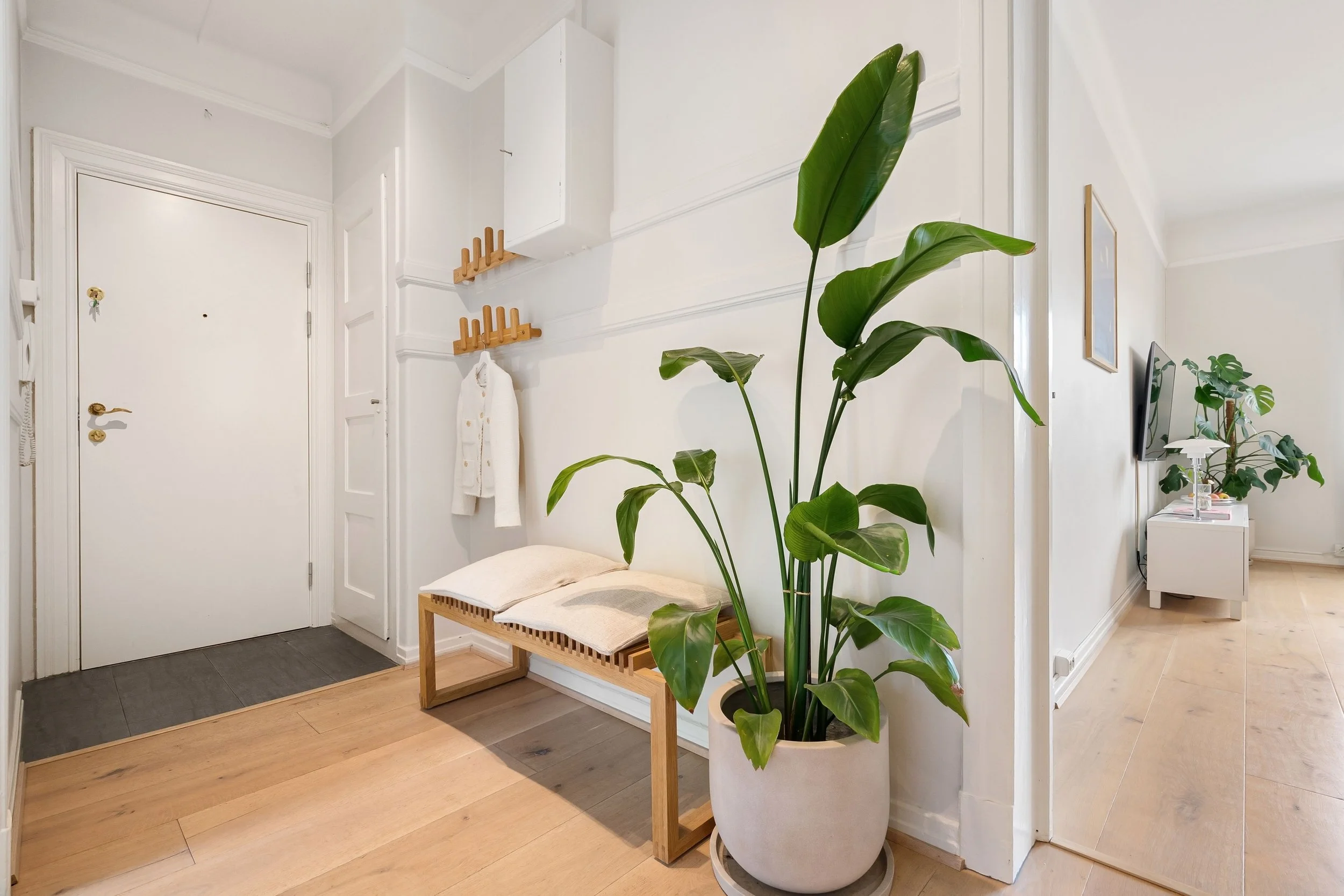
7. Use hidden and overlooked storage areas
Small homes often contain valuable storage opportunities that are easy to overlook. Before investing in additional furniture, look at the spaces you already have.
Potential storage areas include:
Under the bed: Store seasonal clothing, spare linens, or other suitable items in shallow containers.
Under the sofa: If the design allows, use this space for selected items that are accessed occasionally.
Inside cabinets: Add organizers to make better use of shelf height and cabinet depth.
Behind doors: Use suitable over-door hooks or organizers for lightweight accessories and household essentials.
Inside suitcases: Store soft, seasonal items inside luggage that would otherwise sit empty between trips.
Above wardrobes: If there is a safe, accessible gap, use matching containers to store infrequently used items.
The important thing is to use these spaces intentionally. Hidden storage should make your home more functional, not become a place where miscellaneous belongings disappear and are forgotten.
Choose containers that fit the space properly, label them clearly, and avoid stacking items so high that retrieving something becomes difficult or unsafe.
Pro Tip: Create a simple list of what you've stored in less accessible areas. This can help you locate items quickly without pulling everything out.
8. Keep bathrooms and laundry areas clutter-free
Bathrooms and laundry areas are often among the smallest spaces in a Hong Kong home. Yet they need to accommodate toiletries, towels, cleaning products, laundry supplies, and sometimes several family members' belongings.
The trick is to reduce unnecessary products and give everyday essentials a clear home.
Here's how to make these areas work better:
Edit toiletries regularly. Dispose of expired products and let go of items you tried but don't use.
Use drawer dividers. Separate skincare, dental care, hair accessories, and other small essentials.
Add vertical shelving where suitable. Use wall-mounted storage or shelves to free up limited counter space.
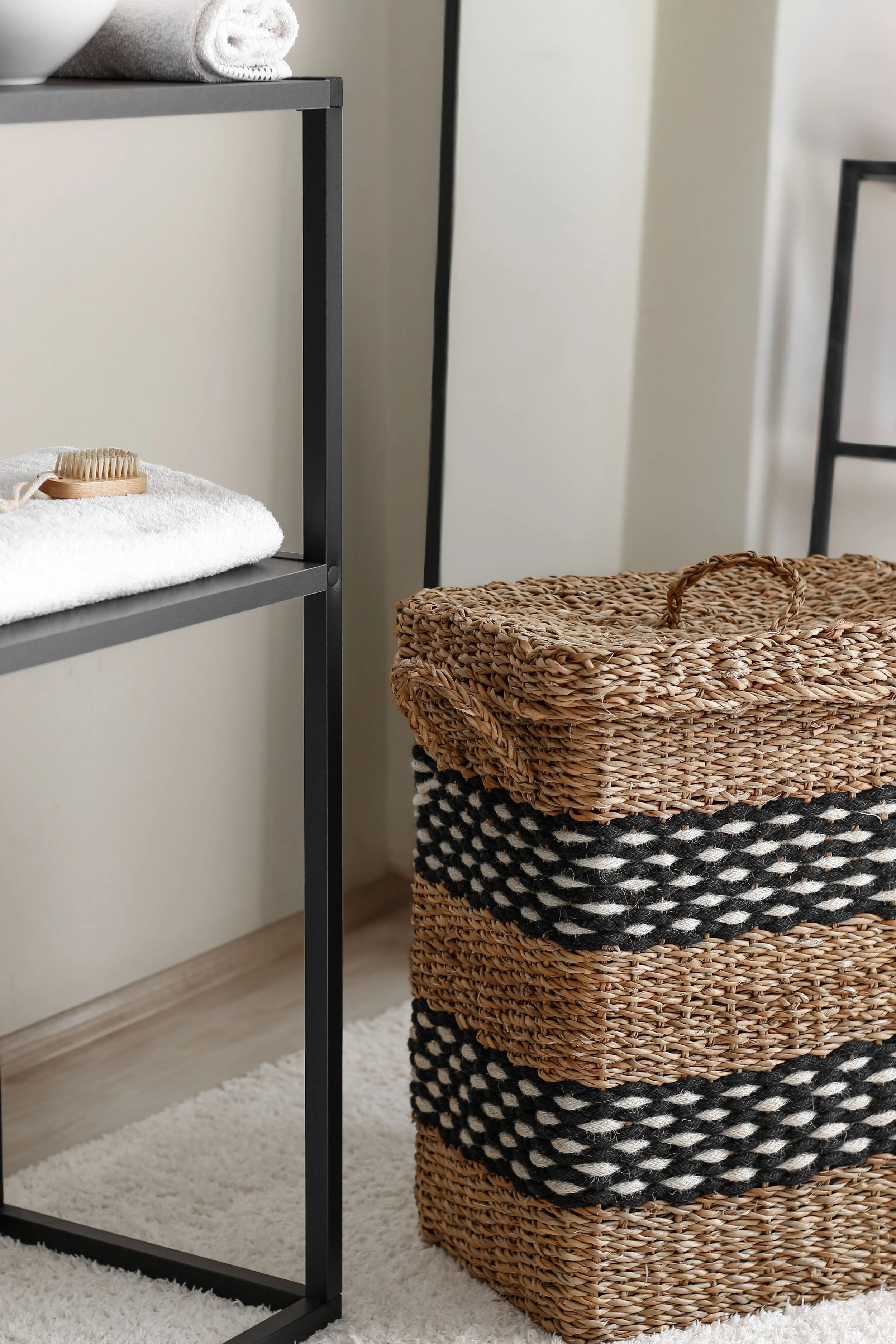
Use stackable bins and slim laundry hampers. Group spare toiletries, cleaning supplies, and laundry products into manageable categories. Slim laundry hampers fit in the nooks and crannies in every Hong Kong bathroom!
Keep towels under control. Store only the number your household realistically needs, with extras placed in a designated linen area.
Create a laundry routine. Keep dirty laundry in a hamper and return clean clothing to wardrobes promptly.
If multiple family members share a bathroom, consider giving each person a small basket or designated section for their everyday products. This prevents personal items from spreading across every available surface.
Pro Tip: Decanting products into matching containers can look attractive, but it isn't essential. Prioritize easy access, clear labeling, and practical storage over creating a picture-perfect bathroom.
9. Create a smart storage system for children’s belongings
For families living in compact apartments, children's belongings can seem to multiply overnight. Toys, books, school supplies, sports equipment, craft projects, and clothing all compete for limited space.
The answer isn't necessarily a bigger playroom. It's a simple system that makes it easy for children to find what they need and put it away independently.
Start with these strategies:
Rotate toys. Keep a selection available and store the rest out of sight. Swap items periodically to renew interest without overcrowding the play area.
Use open bins. Choose appropriately sized containers that children can access without help.
Group toys by category. Keep building blocks, puzzles, dolls, and art supplies separate.
Set limits for sentimental items. Create a designated box or folder for special artwork, cards, and school keepsakes.
Use vertical space for books. Narrow bookcases or wall-mounted shelves can help make the most of limited floor space.
Create a school launch pad. Give schoolbags, water bottles, and other daily essentials a consistent home near the entrance.
Involve children in deciding what to keep and where things should go. When they understand the system and have a say in how their belongings are stored, they are more likely to use it.
Pro Tip: Choose storage that is easy to maintain rather than overly complicated. A simple bin that children can use independently is often more effective than a detailed system that requires constant adult supervision. For more tips check out our blog post, Toy Chaos no more: 7 easy way to organize your kids’ playroom!
10. Make small-space living easier with a regular reset
Even the best storage solutions won't stay effective without a little maintenance. Everyday life brings shopping, deliveries, laundry, school papers, and new possessions into the home. In a compact apartment, clutter can accumulate quickly because there is less room for things to spread out unnoticed.
Instead of waiting until your home feels overwhelming, build a few short organizing habits into your routine.
Try these simple habits:
Reset surfaces daily. Spend five minutes clearing the dining table, kitchen counters, and living room.
Return items after use. Make it a habit to put belongings back in their designated homes.
Review incoming items. Before bringing something new into the house, consider where it will be stored.
Declutter one small area each week. A single drawer or shelf is enough to make steady progress.
Review storage seasonally. Reassess clothing, children's belongings, household supplies, and other categories as your needs change.
Involve the whole family. Assign age-appropriate tasks so maintaining an organized home doesn't fall on one person alone.
Remember that the goal is not to keep your home looking perfect every minute of the day. It's to create systems that make it easier to restore order when life gets busy.
Pro Tip: If a storage system repeatedly fails, don't automatically blame yourself. The system may be too complicated, too full, or poorly positioned. Adjust it to suit your habits rather than forcing yourself to follow a system that doesn't work.
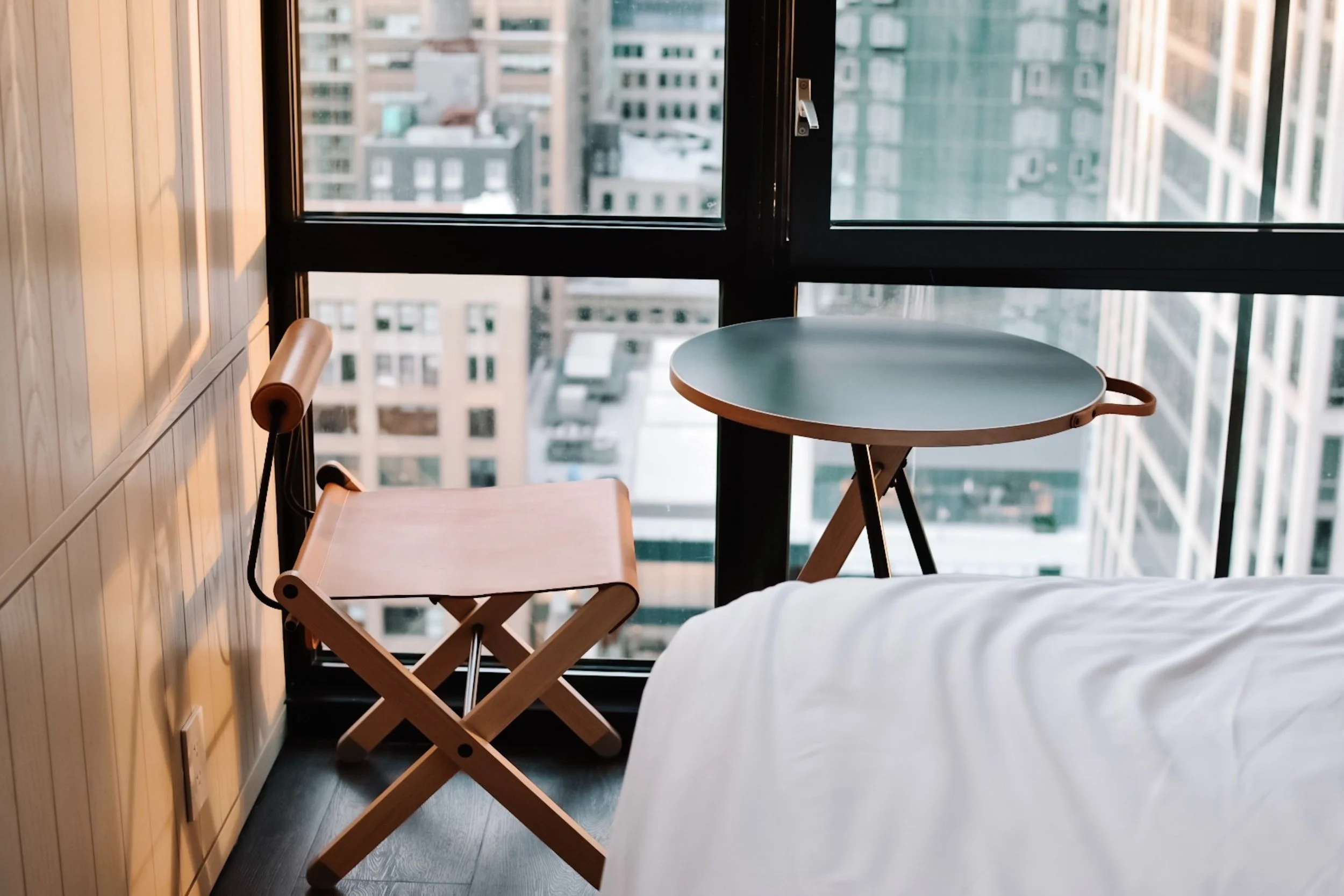
Small space, big possibilities
Living in a compact Hong Kong home comes with challenges, but it also offers an opportunity to be more intentional about the way you use your space. When your belongings are carefully edited, storage is thoughtfully planned, and everyday items have a clear home, even a small apartment can feel comfortable, functional, and welcoming.
You don't need to tackle everything at once. Start with one drawer, one wardrobe, or one cluttered corner. Small improvements can make a meaningful difference, especially when they are supported by systems that suit your household and daily routines.
Most importantly, remember that an organized home isn't about fitting as much as possible into every available space. It's about making room for the people, activities, and experiences that matter most.
At The Happy Space Co., we help individuals and families in Hong Kong make the most of their homes through thoughtful decluttering, practical storage solutions, and personalized organizing systems.
Whether you're looking to maximize wardrobe space, create a more functional kitchen, organize your children's belongings, or rethink the layout of your entire apartment, we're here to help at any or all stages of the process.
Because even in the smallest home, there's room for a little more calm, clarity, and ease.
Ready to transform your home?
We invite you to experience the joy of a tidy and organized home. Let's create a living space that sparks your creativity and brings you peace. Contact us today for a free consultation!