
Toy chaos no more: 7 easy ways to organize your kids’ playroom
If you’ve ever stepped on a Lego barefoot, searched endlessly for a missing puzzle piece, or felt overwhelmed by the sheer volume of toys spilling out of baskets and shelves, you’re not alone. Kids’ playrooms have a way of turning from joyful spaces into chaotic catch-alls — often faster than we can keep up with.
But here’s the good news: an organized playroom doesn’t have to be perfectly styled or Pinterest-worthy to work. It simply needs systems that are realistic, flexible, and easy for children to maintain. When toys have clear homes and clutter is kept in check, playrooms become calmer, more creative spaces — for kids and parents.
This guide walks you through seven easy, practical ways to organize your kids’ playroom, reduce overwhelm, and create a space that supports independent play, creativity, and everyday tidying — without constant nagging or nightly clean-up battles.
Why playroom organization matters more than you think
An organized playroom isn’t just about appearances. It directly affects how children play, focus, and feel in their space.
When toys are everywhere, children often feel overstimulated and unsure where to start. Too many choices can actually reduce creativity and lead to frustration, short attention spans, and messier play. On the other hand, when toys are organized and visible, children can:
Choose activities more easily
Play for longer stretches of time
Take better care of their belongings
Learn responsibility and independence
For parents, a well-organized playroom means less stress, quicker clean-ups, and a home that feels calmer overall. We are here to help! We firmly believe that the goal of our Happy Kids Organizing service is to build an empowering space for children to become independent self-learners.
1. Start with toy declutter (yes, even before organizing)
Before buying bins, shelves, or labels, the most important step is decluttering. Organizing too many toys only creates prettier chaos.
How to declutter toys effectively
Set aside time when your child is rested and calm. If they’re old enough, involve them — but keep it simple and positive.
Sort toys into these categories:
Loved and played with regularly
Occasionally used
Broken, incomplete, or outgrown
Let go of toys that:
Are broken or missing pieces
Haven’t been touched in months
No longer suit your child’s age or interests
Cause frustration rather than joy
Frame the process as “making space”, not taking things away. You might say, “We’re choosing our favourite toys so they’re easier to find and enjoy.”
You don’t need to declutter everything at once. Even removing 20–30% of toys can dramatically improve the space.
2. Group toys by category (not by where they end up)
Once you’ve decluttered, the next step is grouping toys by type, not by where they currently live. This creates clarity and makes organizing intuitive.
Common toy categories
Building toys (blocks, Lego, magnetic tiles)
Dolls and figurines
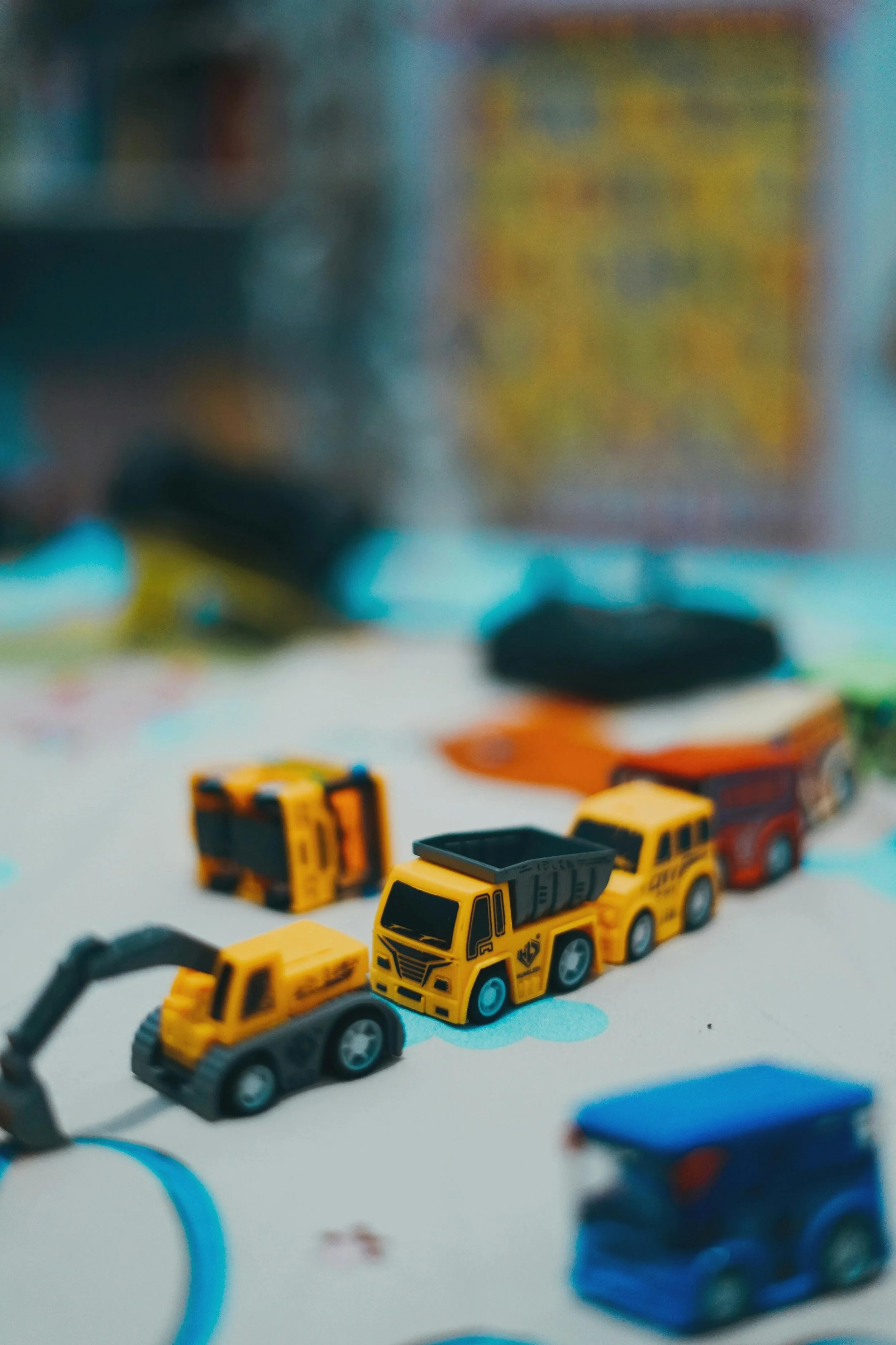
Vehicles
Arts and crafts
Puzzles and board games
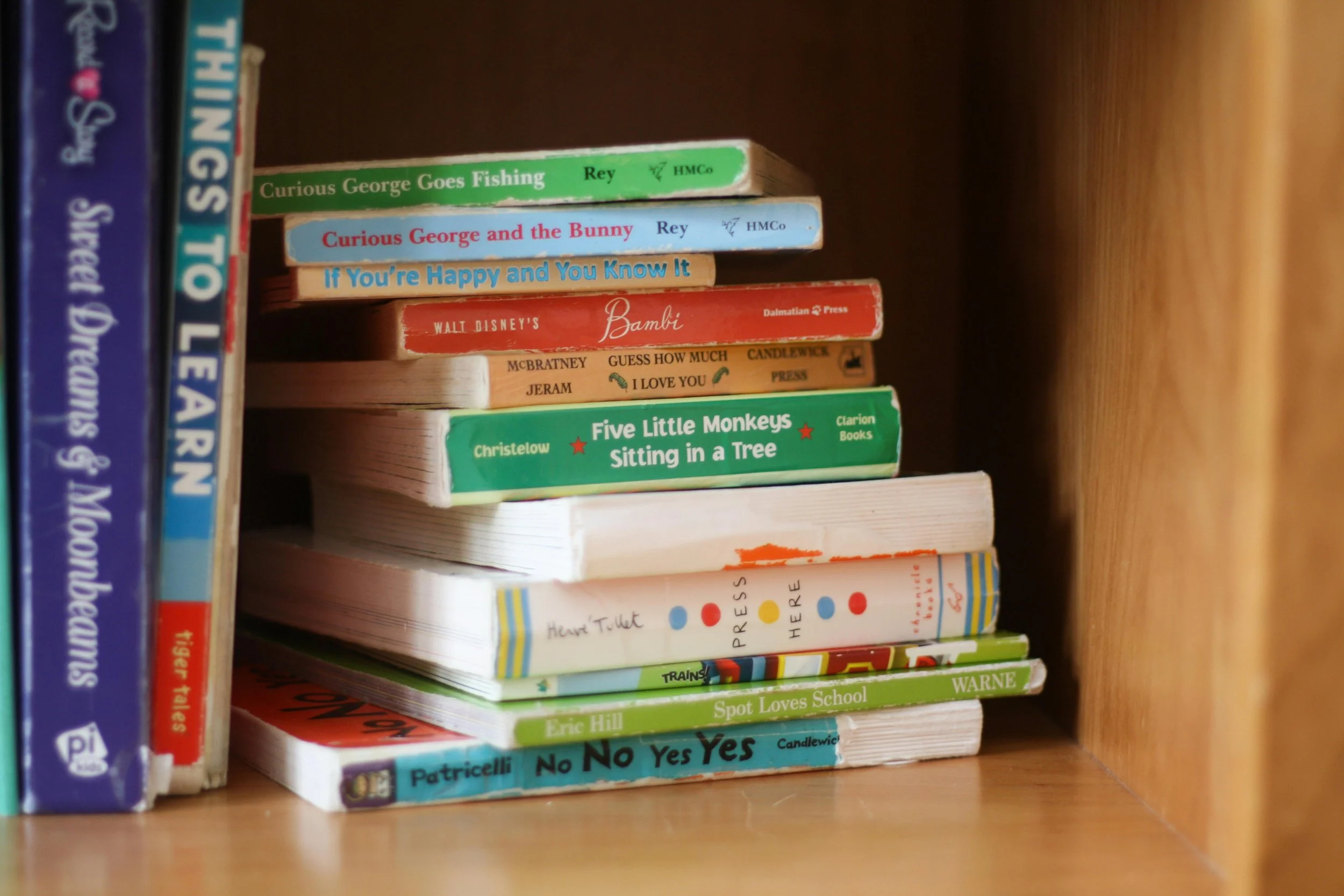
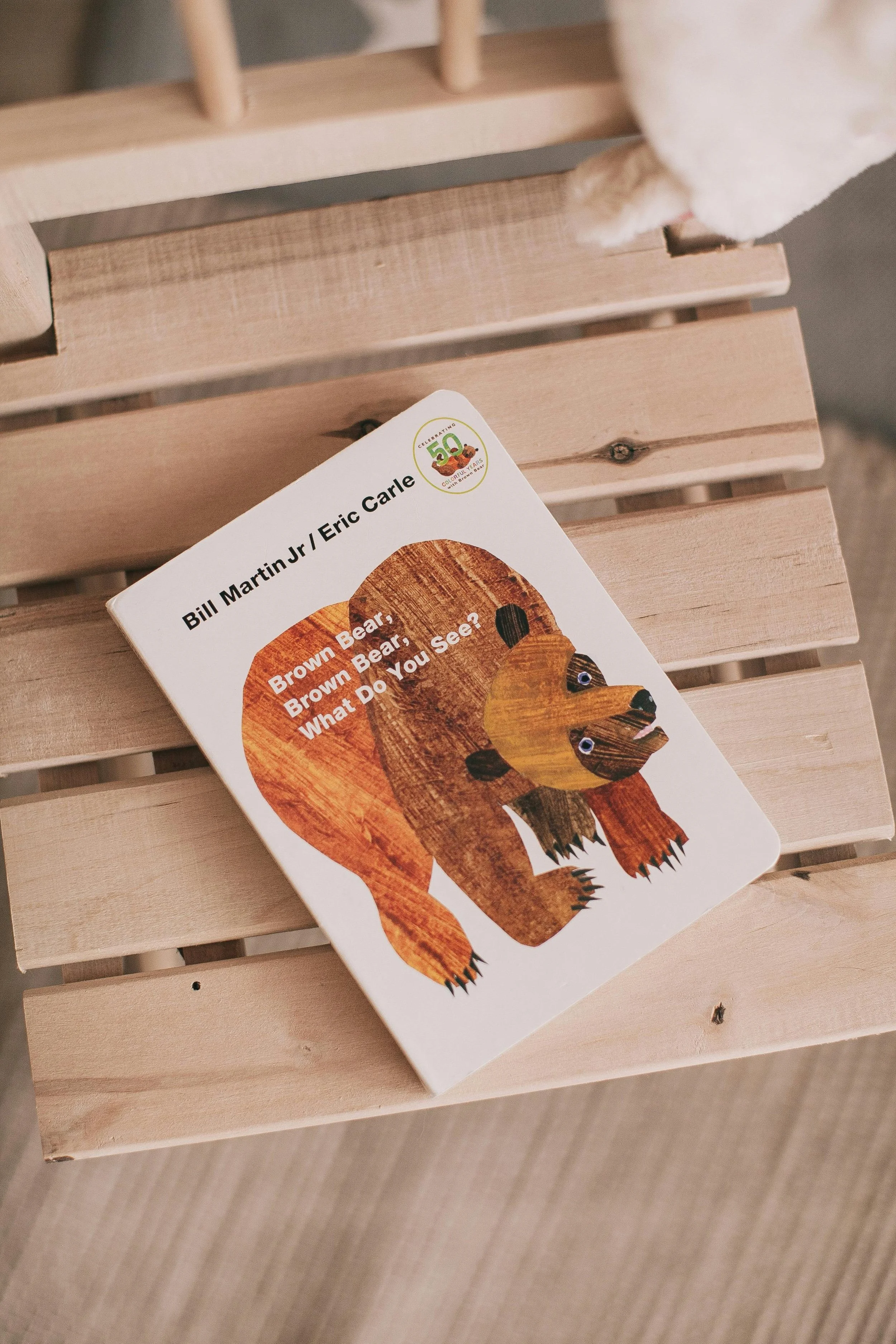
Books
Pretend play items
Grouping helps children understand where things belong — and makes it far easier to put toys away at the end of the day.
If a toy fits into more than one category, choose the category your child naturally associates it with. There’s no “perfect” system — only one that works for your family.
3. Use open, child-friendly storage
The best playroom storage is accessible, visible, and easy to use. If children can’t see or reach their toys, they’re less likely to play with them — or put them away.
Storage solutions that work
Open shelves with bins or baskets
Low bookcases at child height
Clear containers or pouches for smaller toys
Shallow drawers instead of deep ones
Mesh pouches for puzzles and games (we love these pouches - they are easy to label and for little hands!)
Avoid storage that requires too many steps, lids, or complicated stacking. The simpler the system, the more likely it will be maintained.
If it takes more than 10 seconds to put a toy away, the system is probably too complicated.
4. Label everything (pictures count!)
Labels are a game-changer for playroom organization — especially for younger children or early readers.
How to label for success
Use both words and pictures where possible
Keep labels clear and consistent
Place labels on the front of bins, not the lid
For example:
A picture of blocks + the word “Blocks”
A puzzle icon + “Puzzles”
Labels remove guesswork and empower children to tidy independently. They also eliminate the constant “Where does this go?” question.
As children grow, you can update labels to reflect new interests or more mature storage systems.
5. Reduce toys to reduce overwhelm
One of the simplest ways to create a calmer playroom is toy rotation. This doesn’t mean taking toys away permanently — it just means not having everything out at once.
How toy rotation works
Keep a portion of toys out for daily play
Store the rest in a cupboard, closet, or storage box
Rotate toys every few weeks or months
Benefits of toy rotation include:
Less visual clutter
More focused play
Renewed excitement when toys return
Easier clean-up
Children often play more deeply with fewer options. When rotated toys reappear, they feel brand new — without buying anything extra.
6. Create clear zones within the playroom
Defining zones helps children understand how the space is meant to be used — and makes play feel more intentional.
Common playroom zones
Quiet Zone: Books, puzzles, board games
Creative Zone: Arts and crafts, colouring, building
Active Zone: Large toys, movement-based play
Pretend Play Zone: Dress-up, dolls, role play
Zones don’t need to be rigid or large. A rug, shelf, or basket can be enough to signal a change in activity.
When zones are clear, children naturally move from one activity to another — and clean-up becomes more logical and less overwhelming.
7. Build a simple, daily tidy-up routine
Even the best-organized playroom needs regular maintenance. The key is making tidy-up quick, predictable, and pressure-free. At The Happy Space Co., we like to implement systems to ensure the playroom set up ties in seamlessly with the rest of the home - our Done-for-you Organizing Service will take the rest of the household into account and create the perfect systems to match your home.
How to make tidy-up easier
Tidy together at the same time each day (before dinner or bedtime works well)
Use a time (we like sand timers!) or play a short song
Focus on progress, not perfection
Encourage returning toys to their labeled homes
For younger children, tidying alongside them builds confidence and skill. For older children, independence grows quickly when systems are clear.
The goal isn’t a spotless playroom — it’s a space that can be reset easily and enjoyed again the next day.
What to do with artwork and special creations
Playrooms often double as art studios, which means paper piles can build up fast.
A simple artwork system
Designate a tray or folder for incoming artwork
Choose a few pieces to display or pin up
Photograph or scan the rest
Create a yearly photo book or digital folder
This preserves memories without overwhelming the space — and teaches children that their work is valued, even if it isn’t all kept forever.
When playrooms grow with your child
As children grow, their play changes — and so should the space. Regularly reassess:
What toys are no longer relevant?
What storage no longer works?
What new interests need space?
An organized playroom is a living system, not a one-time project. Small updates every few months keep it functional and aligned with your child’s stage of development.
Toy chaos is normal — but it doesn’t have to stay
A messy playroom doesn’t mean you’re doing anything wrong. It simply means your children are playing, growing, and exploring. With thoughtful systems in place, that creativity doesn’t have to come at the cost of constant clutter.
By decluttering intentionally, grouping toys logically, using child-friendly storage, and building simple routines, you can create a playroom that feels calm, inviting, and easy to maintain — even during busy seasons.
Toy chaos may be common, but with the right approach, it doesn’t have to take over your home.
At The Happy Space Co., we help families in Hong Kong create organized homes that support real life — including kids, creativity, and everyday mess. Whether you need help decluttering toys, setting up playroom systems, or creating storage solutions your children can actually maintain, we’re here to help at any or all stages of the process.
Because when your home feels calmer, everyone benefits — especially the little ones.
Ready to transform your home?
We invite you to experience the joy of a tidy and organized home. Let's create a living space that sparks your creativity and brings you peace. Contact us today for a free consultation!