
Raising independent teens: how organizing their spaces prepares them for the real world
The teenage years are a unique and powerful stage of life. Your child is no longer a little kid, but not quite a fully independent adult either. They’re learning how to manage school, friendships, responsibilities, and their growing sense of identity. It’s a time filled with growth, change, and sometimes a bit of chaos — and their room often reflects that.
For many parents, a teenager’s bedroom can feel like a constant source of tension. Clothes pile up, school papers scatter across the desk, and hobbies seem to expand into every corner of the space. But instead of viewing this as simply a mess to control, it helps to see it for what it really is: an opportunity.
Organizing a teenager’s space isn’t about enforcing perfection or creating a picture-perfect room. It’s about helping them develop the life skills they will need when they eventually leave home — whether that’s for university, travel, work, or living independently.
When approached thoughtfully, organizing becomes a powerful teaching tool. It helps teenagers learn responsibility, decision-making, and the practical habits that will support them as young adults. With our Done-for-you home organization service, we treat our teens with respect; it is a truly collaborative experience.
Here’s how thoughtful organization can help raise confident, capable, independent teens.

Why teen spaces matter more than you think
By the time children reach their teenage years, their bedroom becomes much more than a place to sleep. It often serves multiple purposes at once: a study zone, a relaxation space, a wardrobe hub, a hobby centre, and sometimes even a place to socialise with friends.
Without thoughtful systems, it’s easy for these different functions to overlap and create clutter. School materials get buried under clothing, sports equipment gets mixed in with books, and important items become difficult to find.
An organized space supports teenagers in ways that go far beyond tidiness. It can help them:
Develop independence and responsibility
Manage schoolwork more effectively
Reduce stress and overwhelm
Build routines that mirror adult life
Feel ownership over their environment
In many ways, their bedroom becomes a training ground for the future.
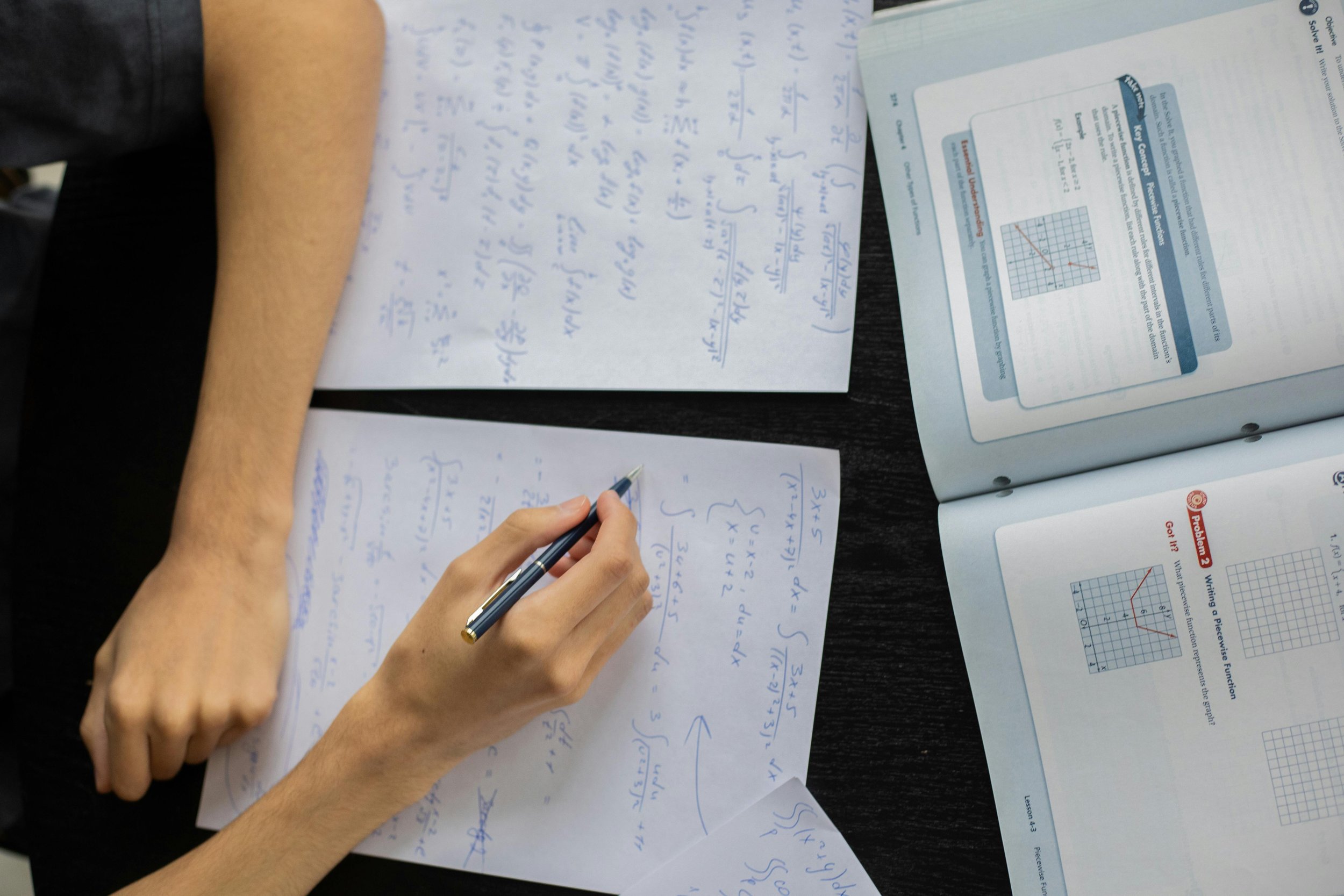
1. Start with respect and collaboration
One of the biggest shifts when organizing a teenager’s space is recognising that this is their environment.
Unlike younger children, teenagers are forming their own preferences and habits. If organizing feels forced or imposed, it can quickly turn into a power struggle.
Instead, start with collaboration.
Begin by asking questions such as:
What do you like about your room right now?
What frustrates you about your space?
Is there anything that’s hard to find when you need it?
These conversations help teenagers feel heard and respected. They also provide valuable insight into what systems might actually work for them.
When teens are involved in the process, they are far more likely to maintain the systems that are created.
2. Decluttering with respect
Decluttering a teenager’s room requires a different approach than decluttering a young child’s toys. Teenagers often attach meaning to their belongings — old notebooks, concert tickets, childhood keepsakes, sports trophies, or gifts from friends.
The goal is not to strip their space of personality, but to help them decide what truly matters.
A respectful decluttering approach
Start by sorting items into simple categories:
Keep and use regularly
Sentimental items
No longer needed
Encourage teens to reflect on what they actually use and enjoy. Ask gentle questions like:
Do you still use this?
Does this represent who you are now?
Would you take this with you if you moved to university?
For sentimental items, consider creating a memory box. This gives teenagers a dedicated place to keep meaningful pieces without letting nostalgia take over the entire room.
Decluttering becomes easier when teens feel in control of the decisions.

3. Designing a room that supports their life
Teenagers live busy lives. Their rooms should support the routines and activities that fill their days.
Instead of organizing randomly, it helps to create functional zones within the space.
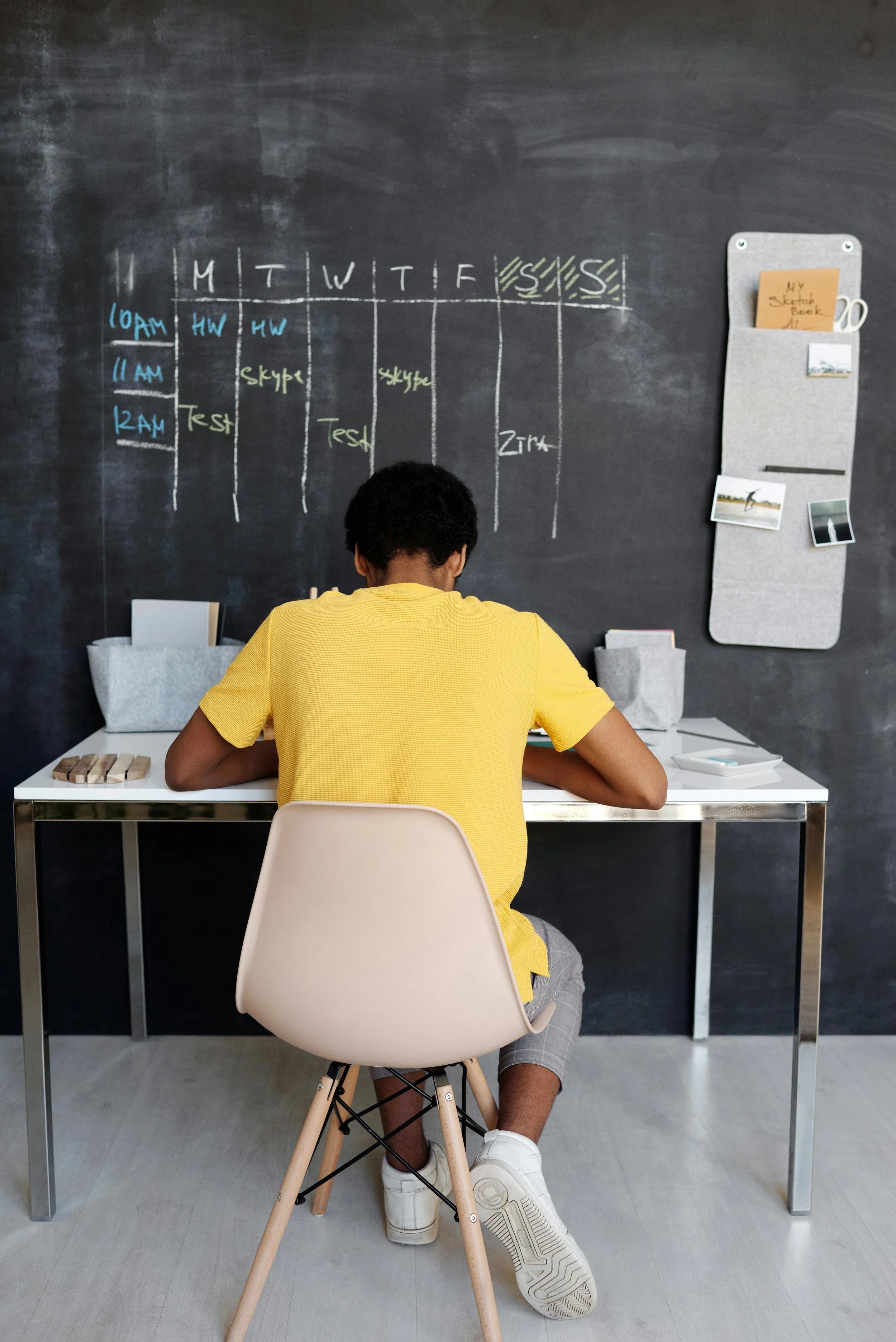
A study zone
A clear workspace supports focus and productivity. Ideally, this area includes:
A desk with minimal clutter
Storage for school supplies
File folders or trays for assignments
A charging station for devices
Encouraging teens to reset their desk at the end of each study session helps maintain focus and organization.
A relaxation zone
Every teenager needs a space to unwind. This might include:
Comfortable bedding or seating
A reading corner
Storage for headphones, books, or journals
Separating relaxation from work helps create healthy boundaries within the room.
A clothing zone
Teen wardrobes can quickly expand during these years. Organizing clothing makes daily routines much smoother.
Helpful systems include:
Drawer dividers for smaller items
Grouping clothing by type or season
Hooks or stands for worn-but-not-dirty clothing
A clearly designated laundry basket
When clothing has clear homes, the infamous “chair pile” becomes much easier to avoid.
A hobby zone
Teenagers often develop strong interests — sports, music, art, gaming, fashion, or technology.
Instead of allowing these items to spread throughout the room, create intentional spaces for them.
For example:
Shelving for art supplies
Storage bins for sports equipment
Display areas for collectibles
Organized cable systems for electronics
When hobbies are respected and supported, teens are more likely to take care of their belongings.
4. Teaching life skills through organization
Organizing a room might seem simple, but it builds a surprising number of important life skills.
When teenagers manage their own spaces, they learn how to:
Make decisions about what they own
Maintain systems and routines
Plan ahead and manage time
Take responsibility for their environment
These skills are essential for adulthood.
University life, for example, often requires managing small living spaces, shared kitchens, tight schedules, and personal responsibilities. Teens who have practiced organization at home feel far more confident navigating those challenges.

5. Preparing for smaller spaces
Many teenagers will eventually move into university dorms or shared apartments where space is limited.
Learning how to live within boundaries now makes that transition easier.
Encourage teens to think practically:
What do I use regularly?
What adds value to my daily routine?
What could I live without?
These conversations help teens develop a healthy relationship with their belongings.
Minimalism isn’t the goal — awareness is.
6. The role of digital organization
Today’s teenagers manage not only physical belongings but also digital clutter.
Teaching digital organization can be just as valuable as organizing drawers and closets.
Encourage teens to:
Organize school files into folders
Back up important assignments
Delete unused apps
Manage photo libraries
Keep email inboxes manageable
These habits reduce mental clutter and mirror the same principles used in physical organization. Check out our blog post, The psychology of clutter: how a tidy home can improve your mental health, about how a clutter-fee space direction correlates with good mental health!
7. Build simple maintenance routines
Even the best organizing systems need maintenance. The key is making upkeep quick and manageable.
A weekly reset can work well for many teens. This might include:
Clearing the desk
Sorting school papers
Putting away clothing
Emptying backpacks
These resets usually take only 10–15 minutes but prevent clutter from building up over time.
Encouraging consistency helps teens develop habits that will serve them long after they leave home. Our Happy Space systems support the development of these habits and enforce them with the right organizing products to keep teens’ spaces tidy. Check out our Guide to Organizing Products for any space!
8. Supporting personal expression
Teenagers are exploring who they are, and their room often becomes a reflection of that journey.
Posters, photographs, artwork, collections, and décor are all ways teens express themselves.
Instead of limiting these elements, guide teens toward intentional displays.
Ideas include:
Pin boards for photos and inspiration
Gallery walls for artwork
Shelves for meaningful collections
This allows creativity and individuality while keeping the space visually balanced.
9. Letting go of perfection
It’s important to remember that teenagers don’t need perfectly styled rooms.
What they need is a space that works for them — somewhere they can study, rest, think, and grow.
A functional room might still look lived-in. That’s perfectly normal.
The real success lies in whether teens can manage their environment independently.
10. Growing into independence
As teenagers approach adulthood, their relationship with their space begins to change.
They start making more decisions about how they live, what they keep, and how they spend their time.
Supporting them through organization sends an important message: you trust them to take responsibility.
These moments build confidence.
And confidence is one of the most valuable things we can help our children develop before they step into the world on their own.

Preparing them for what comes next
Organizing a teenager’s room might seem like a small task, but it has a lasting impact.
When teens learn to manage their space, they are learning how to manage life.
They gain skills that support them through exams, university living, shared apartments, and eventually homes of their own.
Their bedroom becomes more than just a room — it becomes a place where independence begins to take shape.
At The Happy Space Co., we believe organization should empower every member of the family — including teenagers. Helping teens create spaces that reflect their personalities while supporting independence is one of the most meaningful ways to prepare them for the next stage of life.
Whether you’re looking to reset a bedroom, organize a study space, or create systems that grow with your family, we’re here to support you at any or all stages of the process.
Because when homes are organized thoughtfully, they don’t just look better — they help families thrive.
Ready to transform your home?
We invite you to experience the joy of a tidy and organized home. Let's create a living space that sparks your creativity and brings you peace. Contact us today for a free consultation!